01
Getting Into the Flow
Build a daily AI workflow with Copilot and Claude that compounds. Stop one-off prompts, start real momentum.
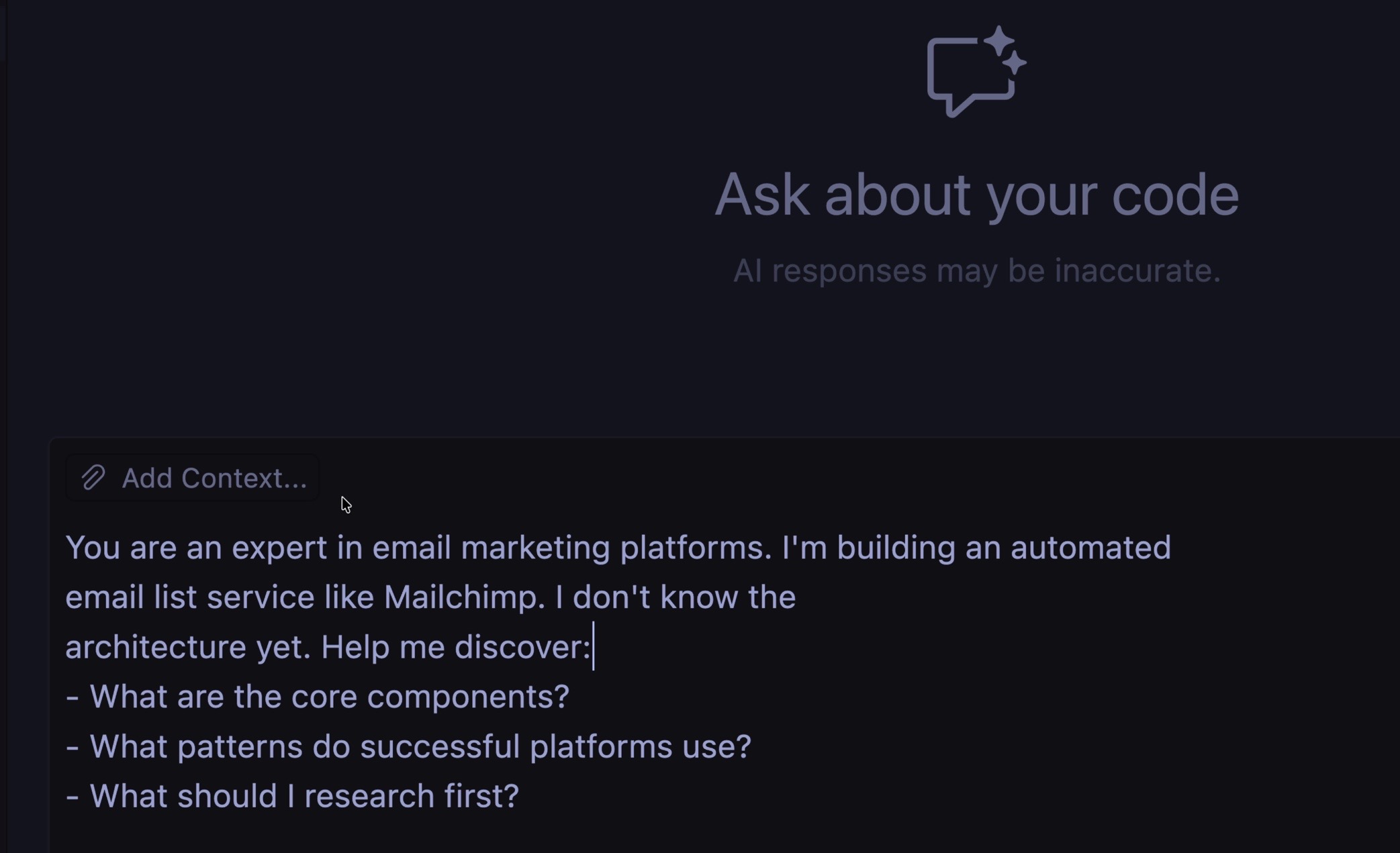
You've got the tools. You've watched the tutorials. You've read the thread. And yet when you sit down to actually build something, the AI feels like a party trick instead of a real part of your workflow. That's not a skill problem. That's a "nobody showed you how this actually works in practice" problem.
I built this course because I was frustrated by the same thing. Every tutorial I found was either "look how fast I vibe-coded this CRUD app" or a dense academic paper about transformer architecture. Neither one helps you ship better software on Tuesday morning.
"The fact that you already care enough to look means you're already doing better than most."
I finally feel like I'm working with the AI instead of around it. The flow Rob shows you is just the way it should always have been explained.
The problem isn't that you haven't been trying. The problem is that you've been learning AI tools the same way Twitter teaches everything: one hot take at a time, with no thread connecting any of it into something you can actually use.
Copilot does one thing. Claude does another. Cursor is different from both. Agents are something else entirely. Every source teaches a different tool, a different workflow, a different set of opinions about the right way to do it.
You don't have a workflow. You have a collection of tricks that don't fit together.
This course gave me what three months of YouTube rabbit holes never did: an actual system I use every single day.
Every lesson in The AI Pro came from something I ran into while building real software. Not a toy project for the tutorial. Not a contrived CRUD app. Real work, with real constraints, where the AI either helped me ship faster or I figured out why it didn't.
The result is a course that doesn't teach you features. It teaches you judgment. When to lean on the AI, when to push back on it, when to give it more context, and when to just write the thing yourself.
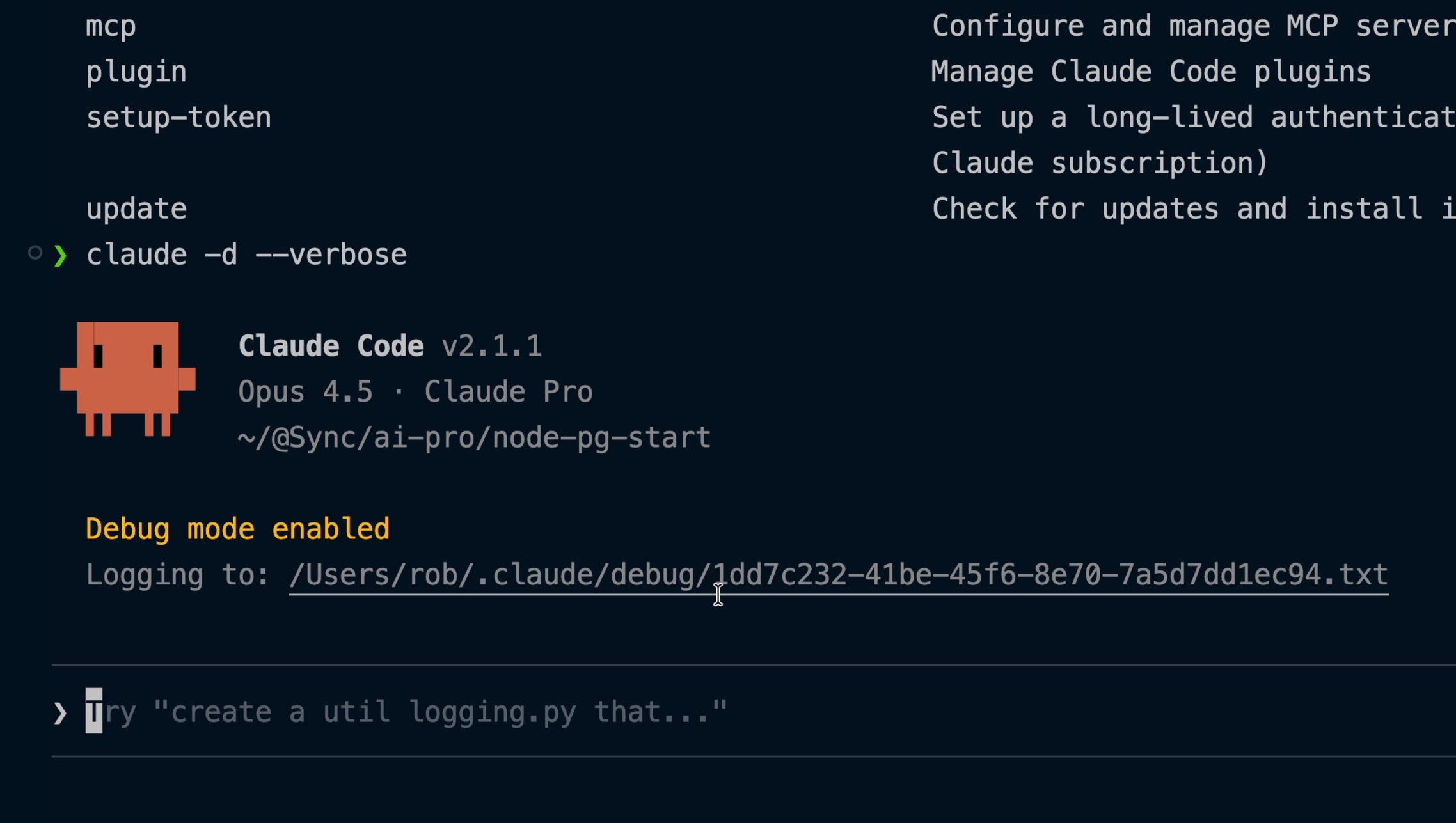
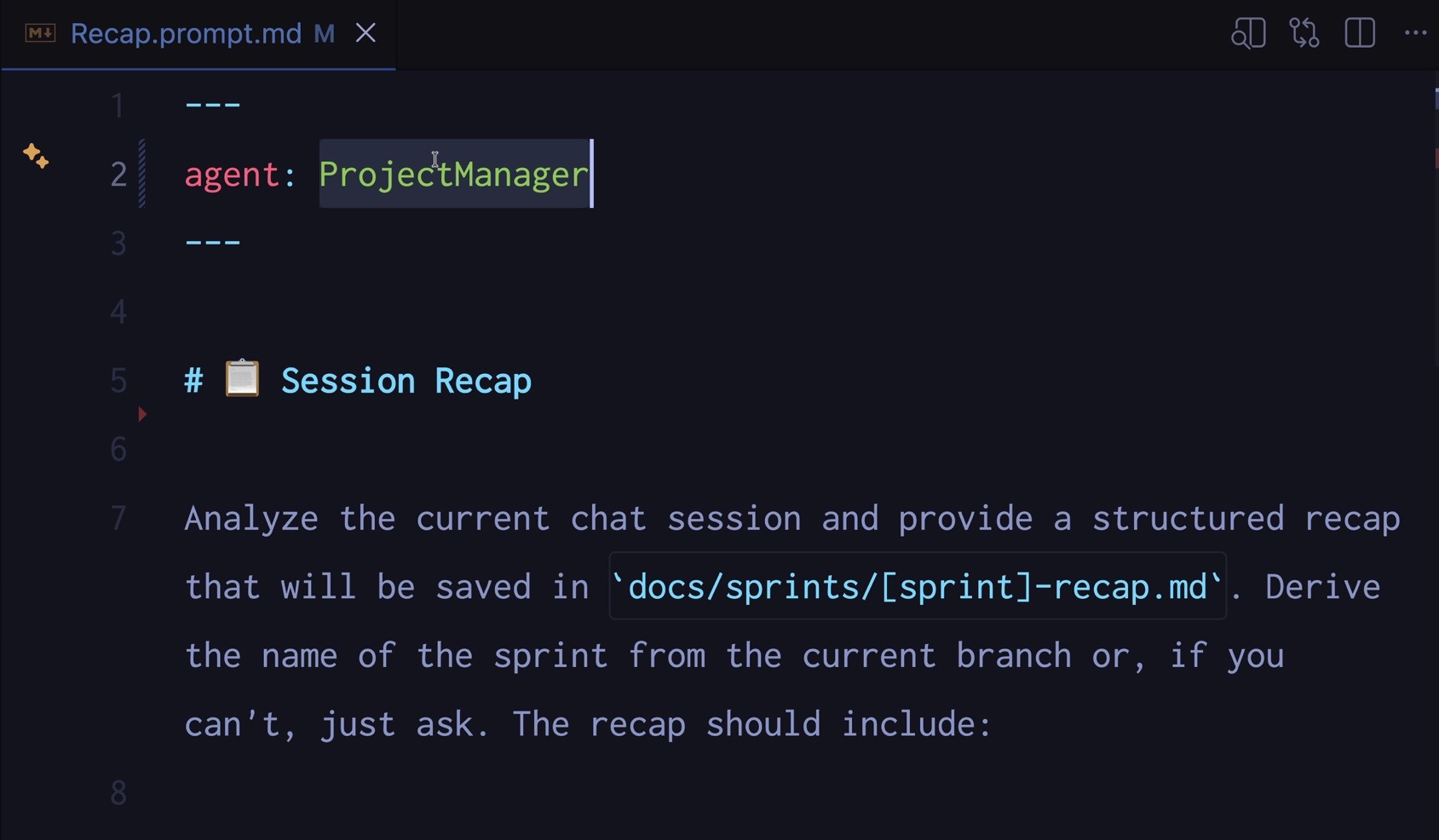
The AI Pro is 35 lessons that build on each other. You start with the daily workflow, move into advanced prompt design, then into Claude as a real debugging and architecture partner, and finally into building your own custom agents.
Every lesson is built around something you'll do this week. Not a demo project, not a "now imagine you were building X" scenario. Real patterns, real code, real workflows.
Stop experimenting. Start compounding.
Get instant accessEach module builds on the last. By the end, you'll have a workflow you actually use every day.
Build a daily AI workflow with Copilot and Claude that compounds. Stop one-off prompts, start real momentum.
The difference between a prompt that helps and one that just fills your screen with confident garbage. Practical, specific, tested.
Give Claude real context and turn it into a debugging partner that catches what you miss. Stop explaining your whole codebase every session.
Build agents that actually do work, not just chat. Real tasks, real automation, real code that ships.
Data pipelines, transformations, and cleanup tasks that used to take a full day. Now they take a morning.
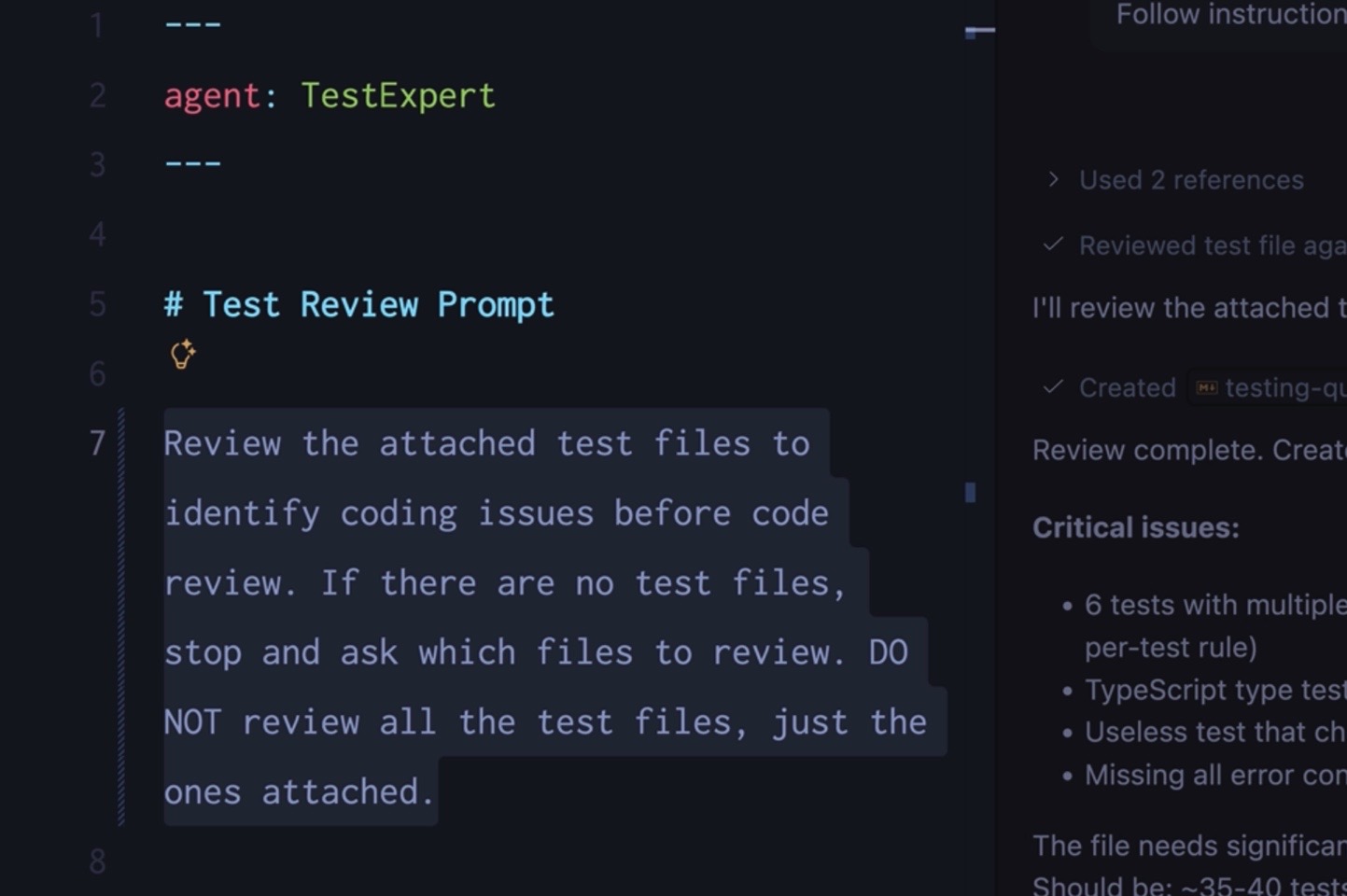
Generate tests that actually test something. Use AI to improve coverage without padding your test suite with useless assertions.
If it's not useful, let me know and I'll refund you. No friction, no hard feelings.
I'm Rob Conery, and I've been building software without a CS degree for over 25 years. I've shipped applications for companies like Visa, Google, Starbucks, and PayPal. I co-founded Tekpub in 2009, a premium video production company focused on software development, which Pluralsight acquired in 2013.
I've been using AI tools in production every day since Copilot shipped. Not experimenting. Not evaluating. Shipping. Everything in this course came from something I ran into while actually building something real, and figured out through exploration and, honestly, a lot of failure.
I'm obsessed with making courses that are dense with useful information and light on filler. If a lesson doesn't earn its place, it doesn't make the cut.